Key Takeaways Formal attire spans a spectrum from ultra-formal white tie (tailcoats and wing collars) to black tie optional, with each level having specific requirements Black tie remains the classic formal standard, requiring a tuxedo with silk lapels, matching trousers with satin stripe, bow tie, and patent leather shoes Proper fit is paramount - shoulder seams should lie flat, jacket should close without pulling, and 1/4 to 1/2 inch of shirt cuff should show Evening events (after 6pm) demand stricter formal standards with darker colors, while daytime occasions allow more flexibility in patterns and lighter hues Fabric selection matters - choose weights between 300-400g for proper drape, with barathea and midnight blue offering sophisticated alternatives to basic black Modern interpretations allow thoughtful personalization while maintaining formal foundations - consider texture, subtle colors, or contemporary accessories Renting makes sense for occasional wear (under 2x yearly), while purchasing becomes cost-effective for frequent formal events (4+ annually) Build a versatile formal wardrobe with three essentials: navy suit, gray suit, and black tuxedo, focusing on quality over quantity References White tie takes the crown as the highest level of formality in dress codes
"Bella Hadid Reveals Honey Blonde Hair and Risqu Gown at Cannes, Despite New Dress Code"
I looked at photographs and paintings of the royal family, Cho explains
[26] Lace and slashing were popular decorations
Ingredients: Organic extra-virgin olive oil, organic raw apple cider vinegar, fresh pressed apple juice, fresh squeezed organic lemon juice, organic basil, organic parsley, fresh organic garlic, organic rosemary, French grey sea salt, organic black pepper
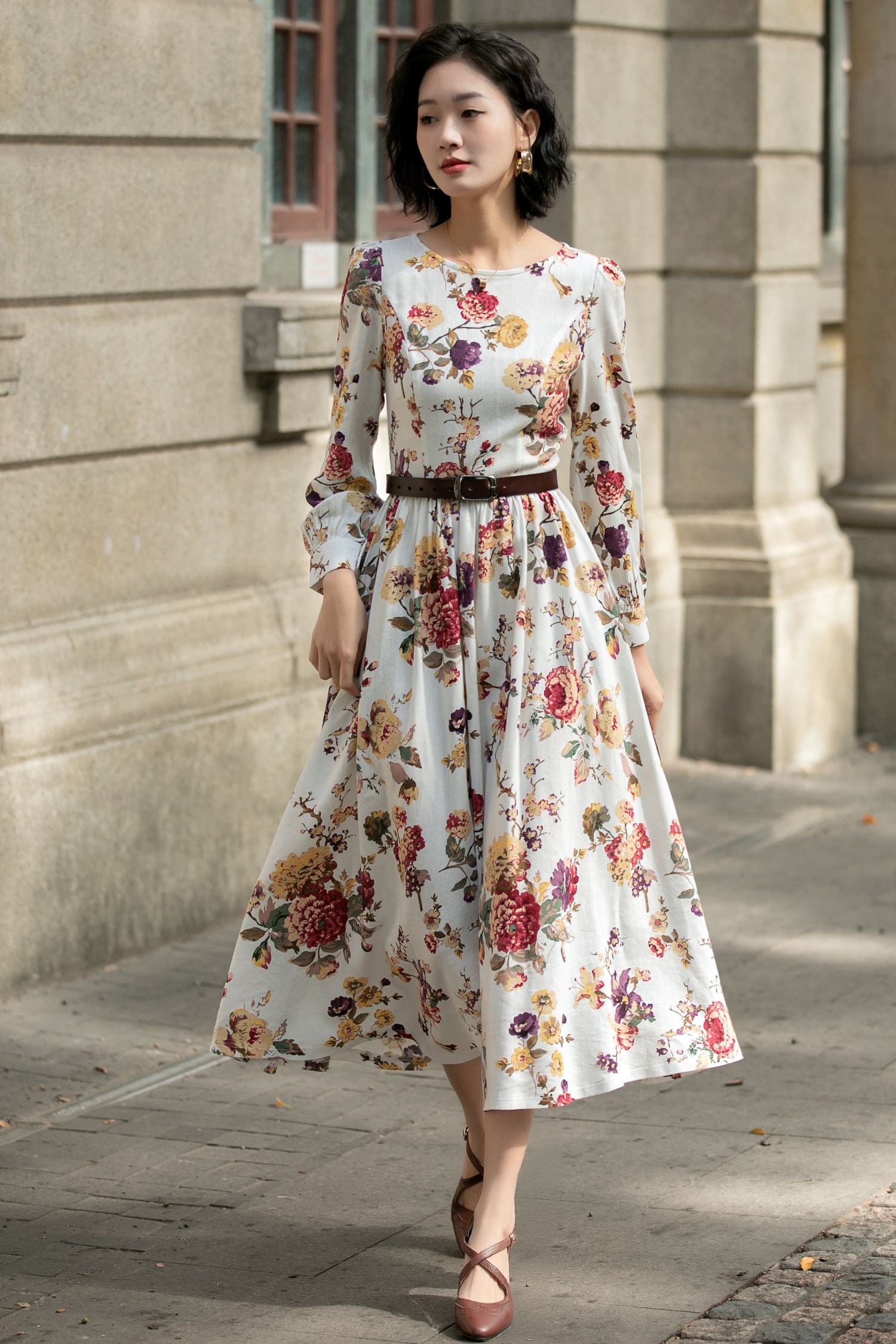
(Need we say more?) If you're overwhelmed by the seemingly endless options of what to wear to a fall wedding, don't fret