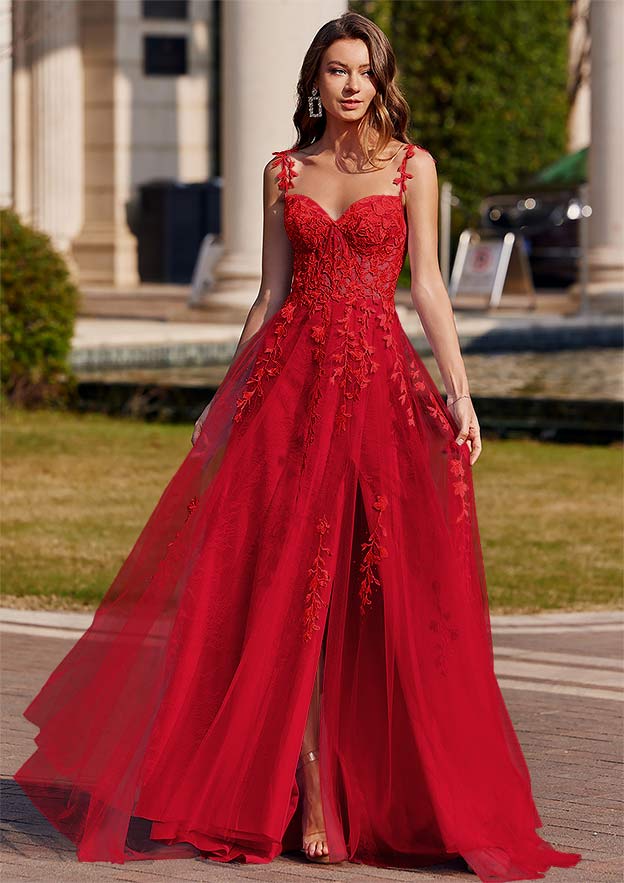
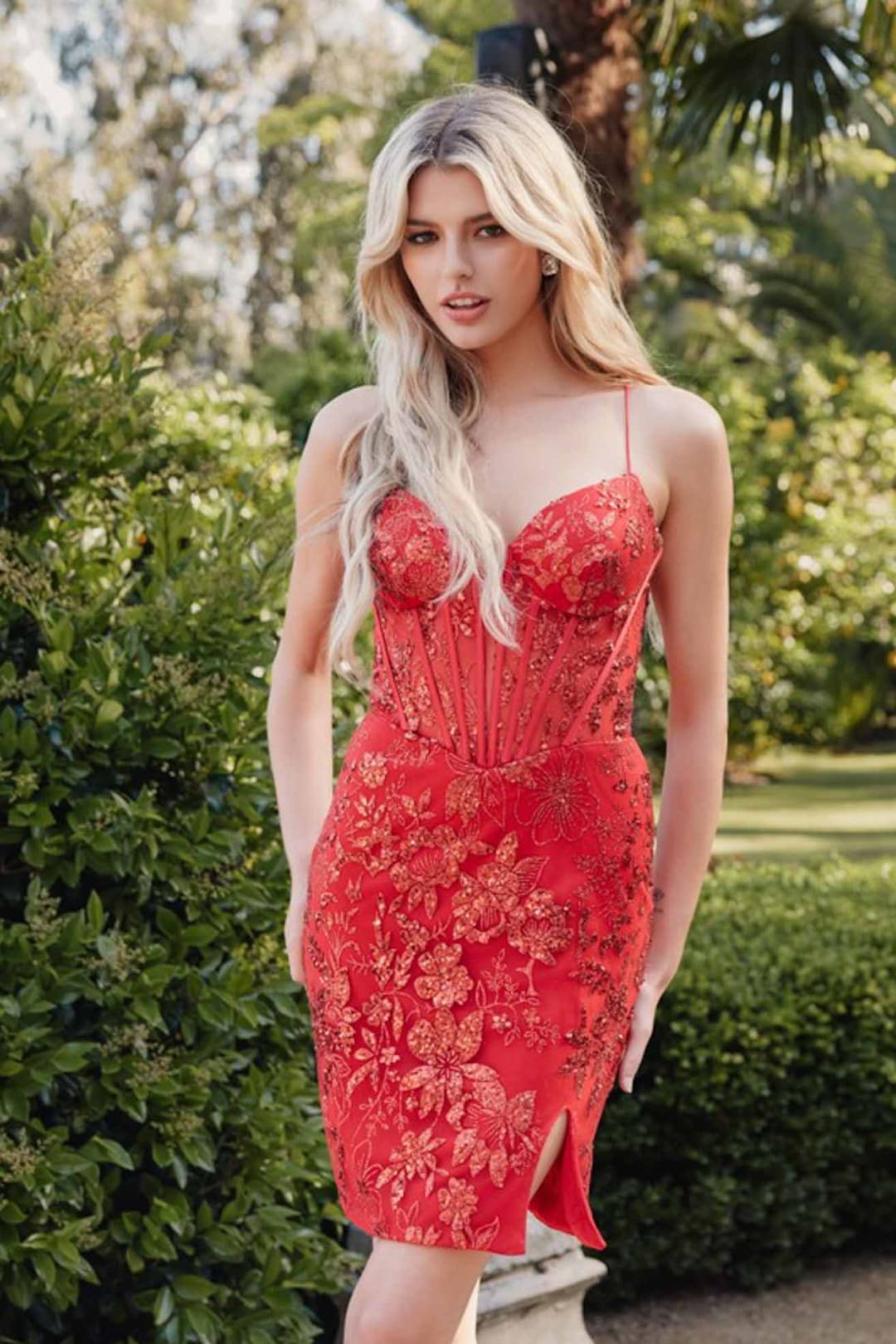
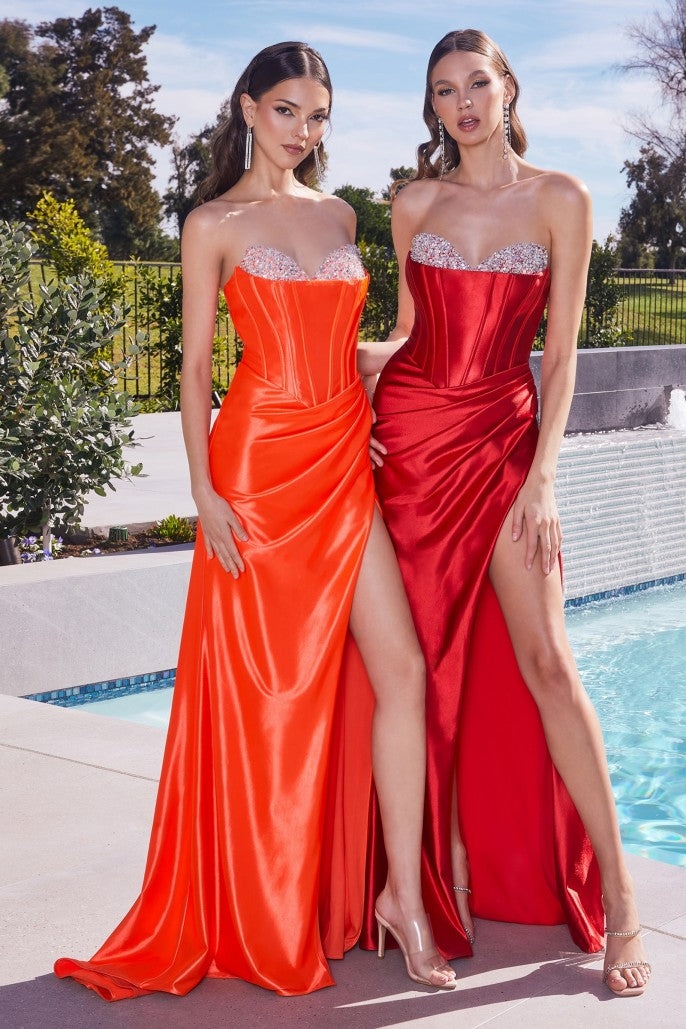
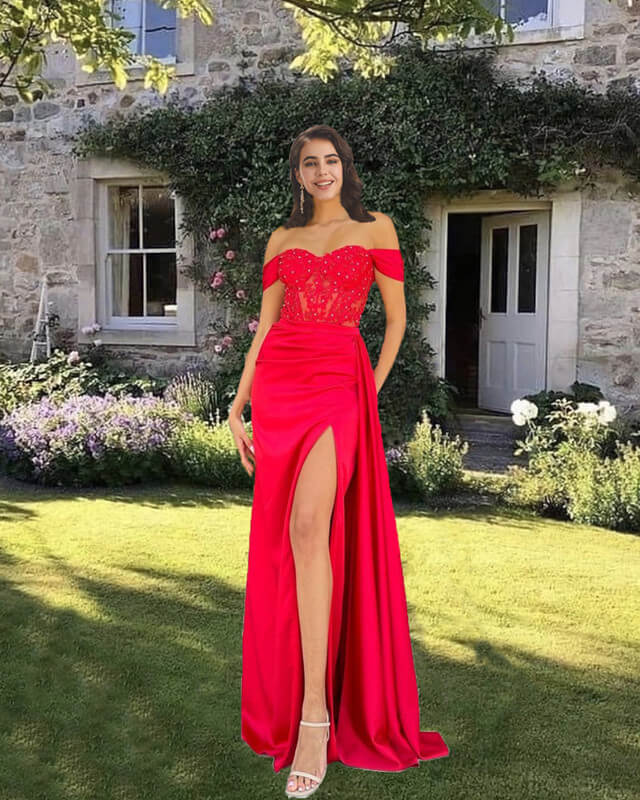
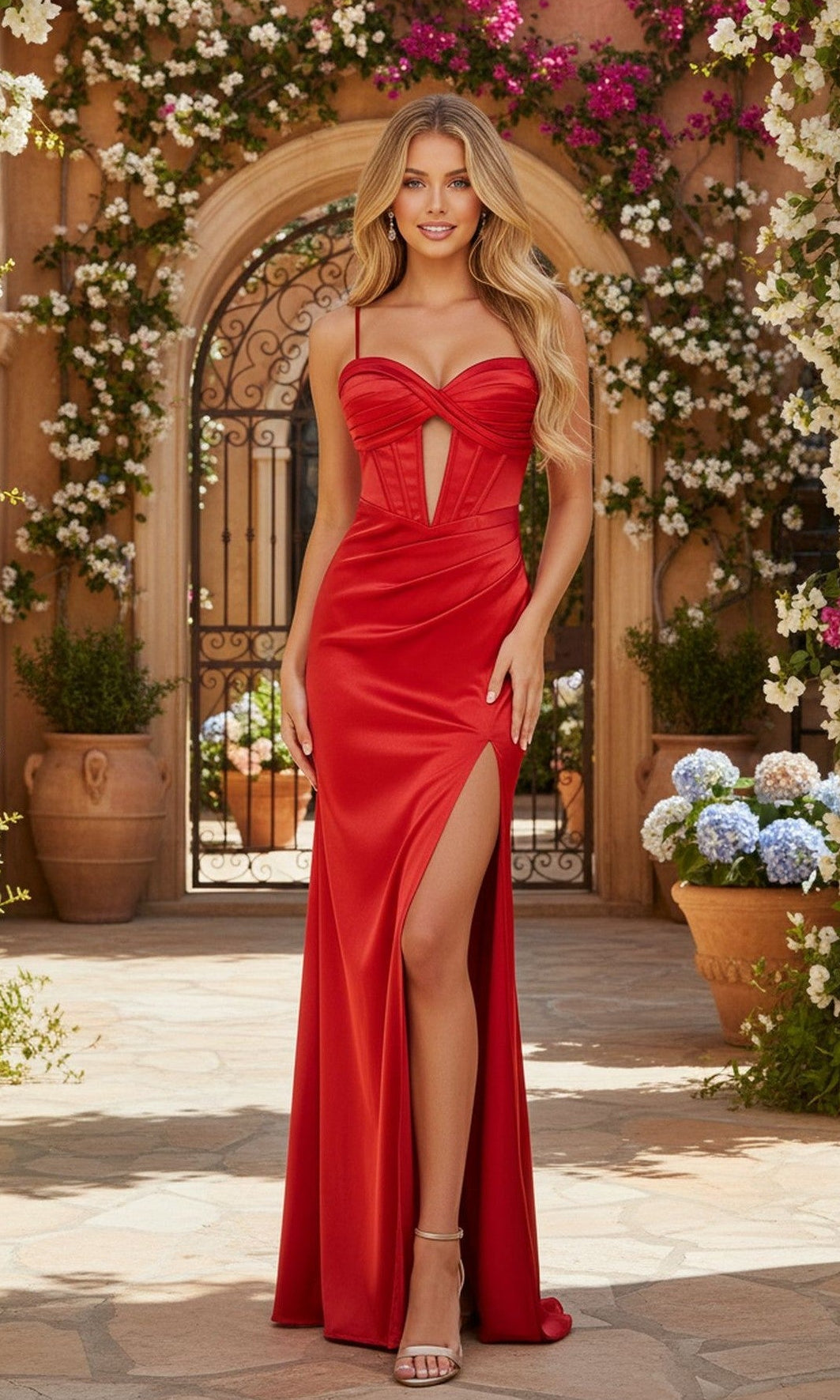
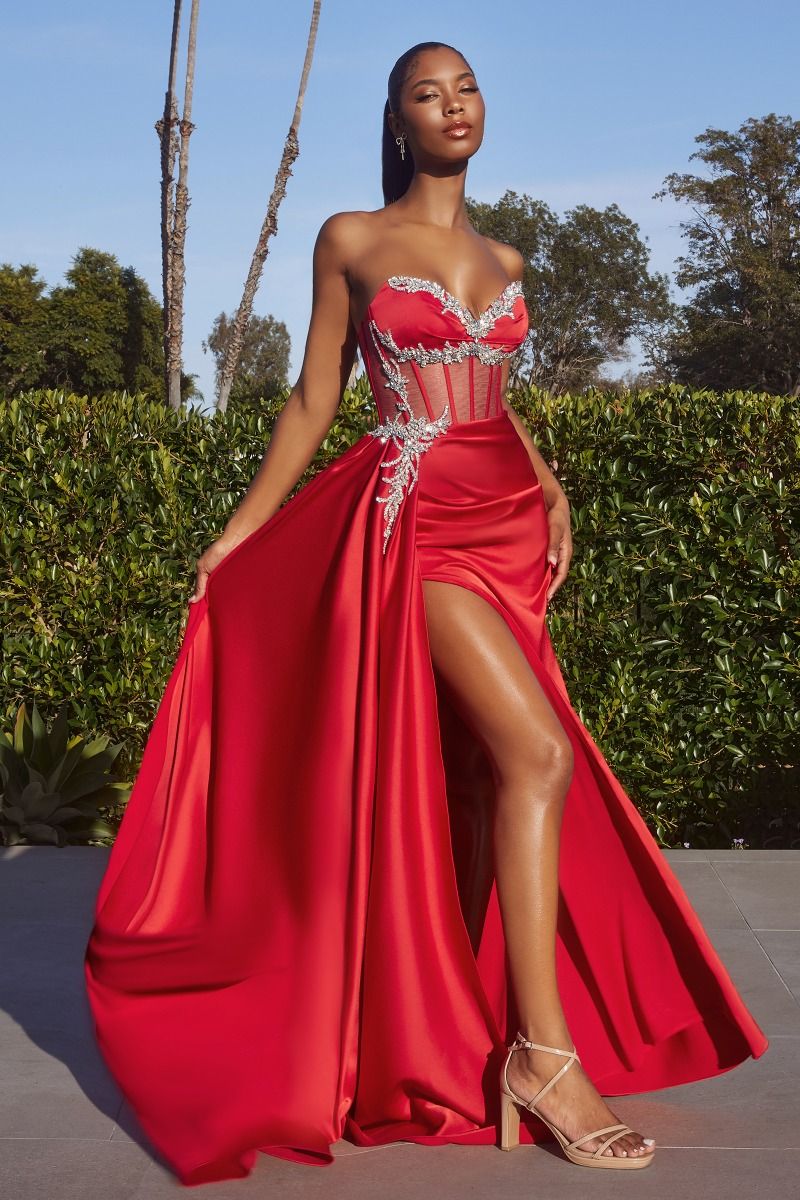
Common materials include: Silk and satin for their lustrous finish and elegant drape Chiffon for flowing, romantic movement Velvet for rich texture and wintertime sophistication Taffeta for structured, voluminous silhouettes Sequined and beaded fabrics for added glamour and sparkle Design Elements Formal dresses often feature intricate details that elevate their sophistication: Elaborate embellishments like beading, sequins, or embroidery Structured bodices with boning or corsetry Dramatic trains or flowing skirts Elegant necklines such as sweetheart, halter, or high neck designs Statement backs with illusion panels, keyhole cutouts, or dramatic open backs When to Wear Formal Dresses Formal attire is appropriate for: Black-tie weddings and galas Military balls and formal ceremonies Opera and theater opening nights Charity fundraisers and high-profile events Prom and formal school dances Award ceremonies and formal banquets Decoding Semi-Formal Dress Codes Semi-formal attire strikes a balance between casual elegance and formal sophistication
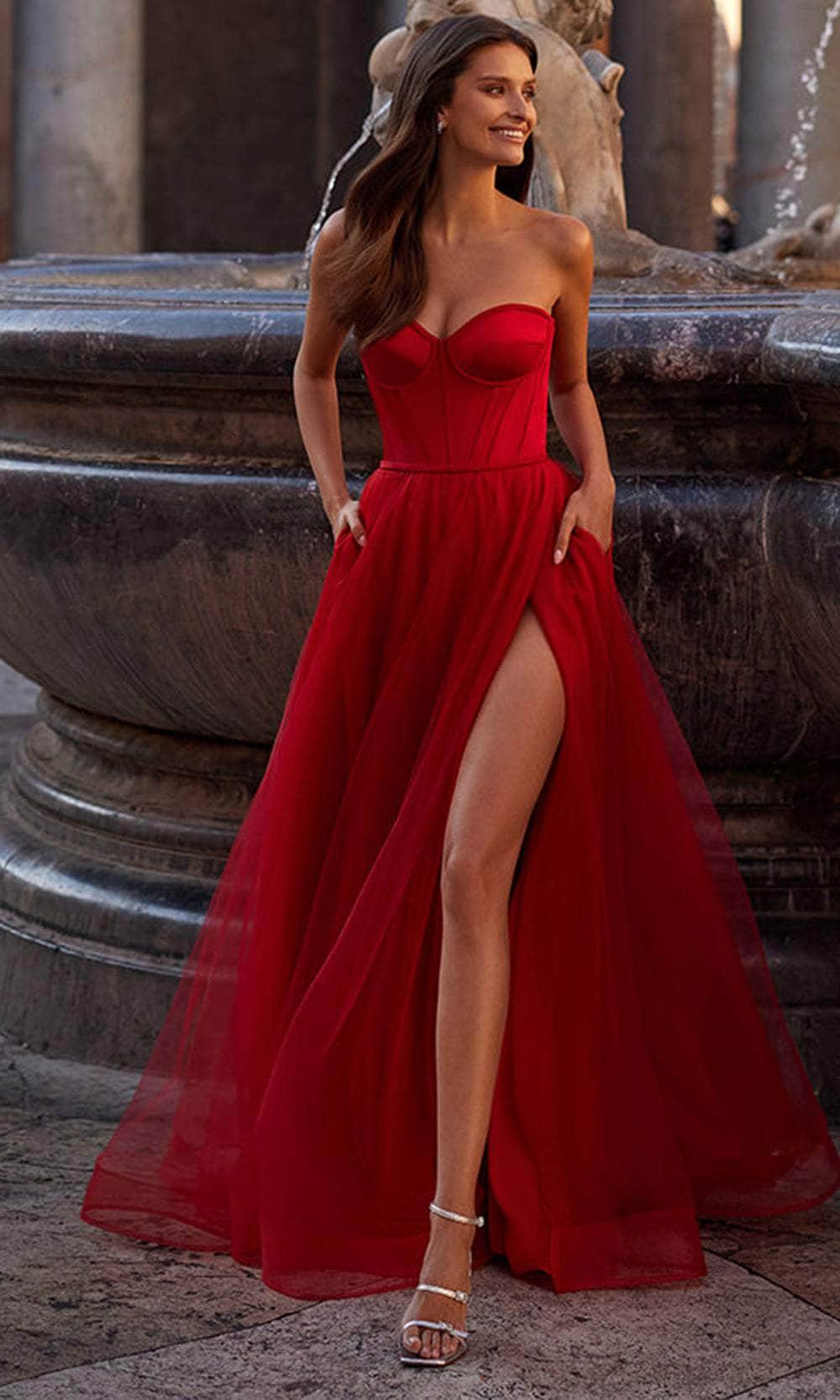
Rene Strauss x Martin Katz: A$16.2 million When the famed couturier and celebrity jeweller came together to design the most expensive dress in the world, it was a match made in fashion heaven
4.6 out of 5.0 66 reviews Review photos Showing slide number 1 out of 9 I would recommend Tie the Knot a million times over
Retrieved 31 March 2014
proper nutrition (think of the food that makes you look and feel good)
I loved wearing this cute boho look that mixes classic wardrobe staples like these beige Chelsea boots with this boho dress with a midi skirt length for a fun, feminine vibe