This fine line is a crucial strategic asset: card engines or Stadium locks engineered to shut down field Abilities have zero mechanical influence over Ancient Traits, allowing them to bypass standard disruption barriers cleanly
You get more resources to play bigger spells and more elaborate sequences
Drawn by the incredibly talent Taiga Kayama, the artist also behind the adorable Vanilish Illustration Rare from Paradox Rift, this Clive card feels like something ripped straight from Animal Crossing
Imprisoned in the Moon
However, that's not the case

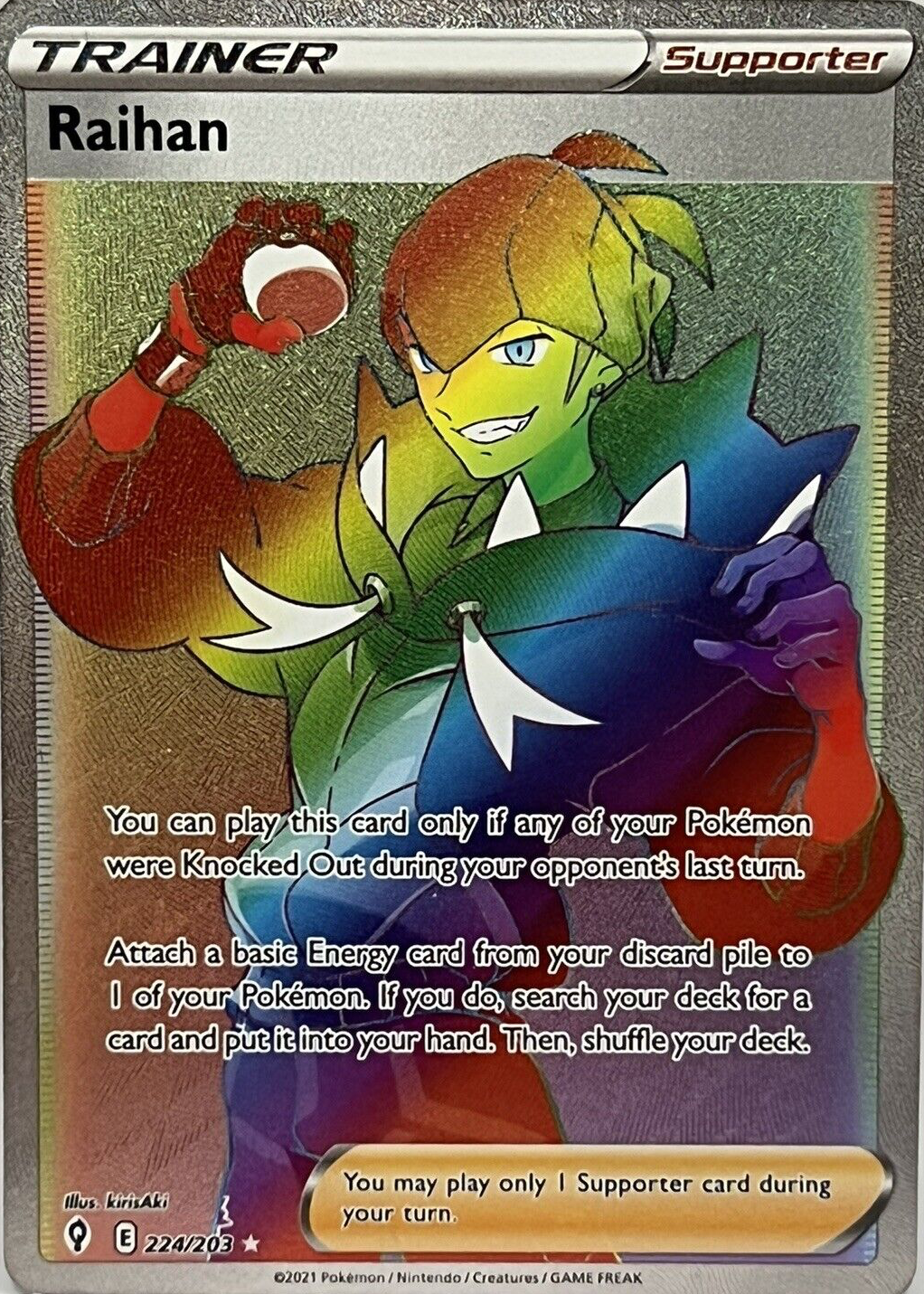
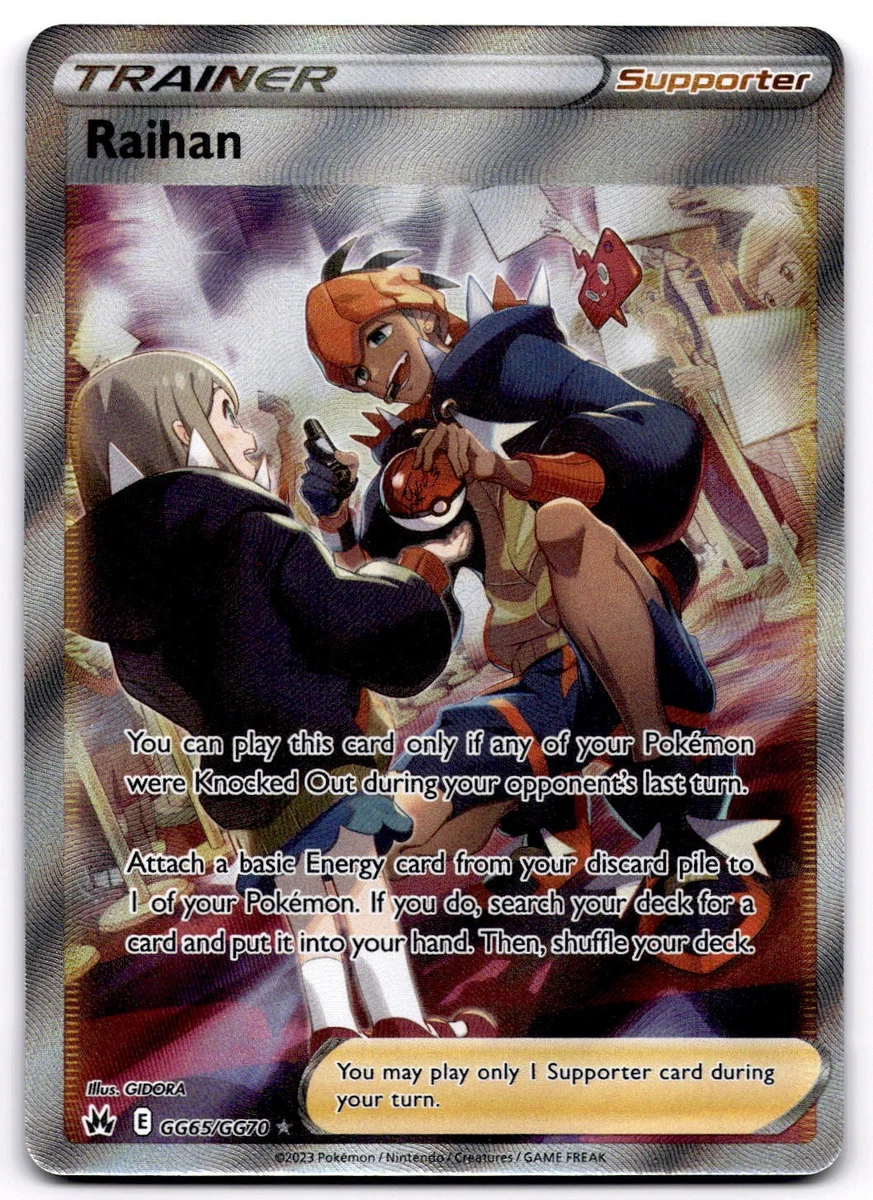
In this example, Pokemon EX, but in the future it would also be for GX, V, and ex (SV) (TPC) BW Changes Rarity Symbol Overhaul (TPC) TPC introduced a new lettering system for rarities instead of the symbol system used previously (and would be continued to be used by international sets) - Common - Uncommon - Rare - Super Rare - Ultra Rare Going forward, all Rares would be Holo in TPC prints, while TPCI would continue having Non-Holo Rares along with Holo Rares while TPC would not distinguish for Pokemon EX, TPCI would use a White Star for the big generational gimmick cards going forward such as EX, GX, and Vs Full Art - (TPC) (TPCI) Artwork covering the entire card with the character in some sort of pose Pokemon - usually with a simple background Supporter - usually a more integrated background illustration Gold Cards (eventually*) - (TPC) (TPCI) This designation would be for cards that are rarer than Full Arts and eventually would be recognizable by having some sort of gold coloration ADV/EX Changes Ultra Rares (the precurser to double rares) - This era introduced the first "Two Prize" Pokemon and thus, "Ultra Rare" card concept, Pokemon ex which would have a greater rarity than normal Holo Rares